
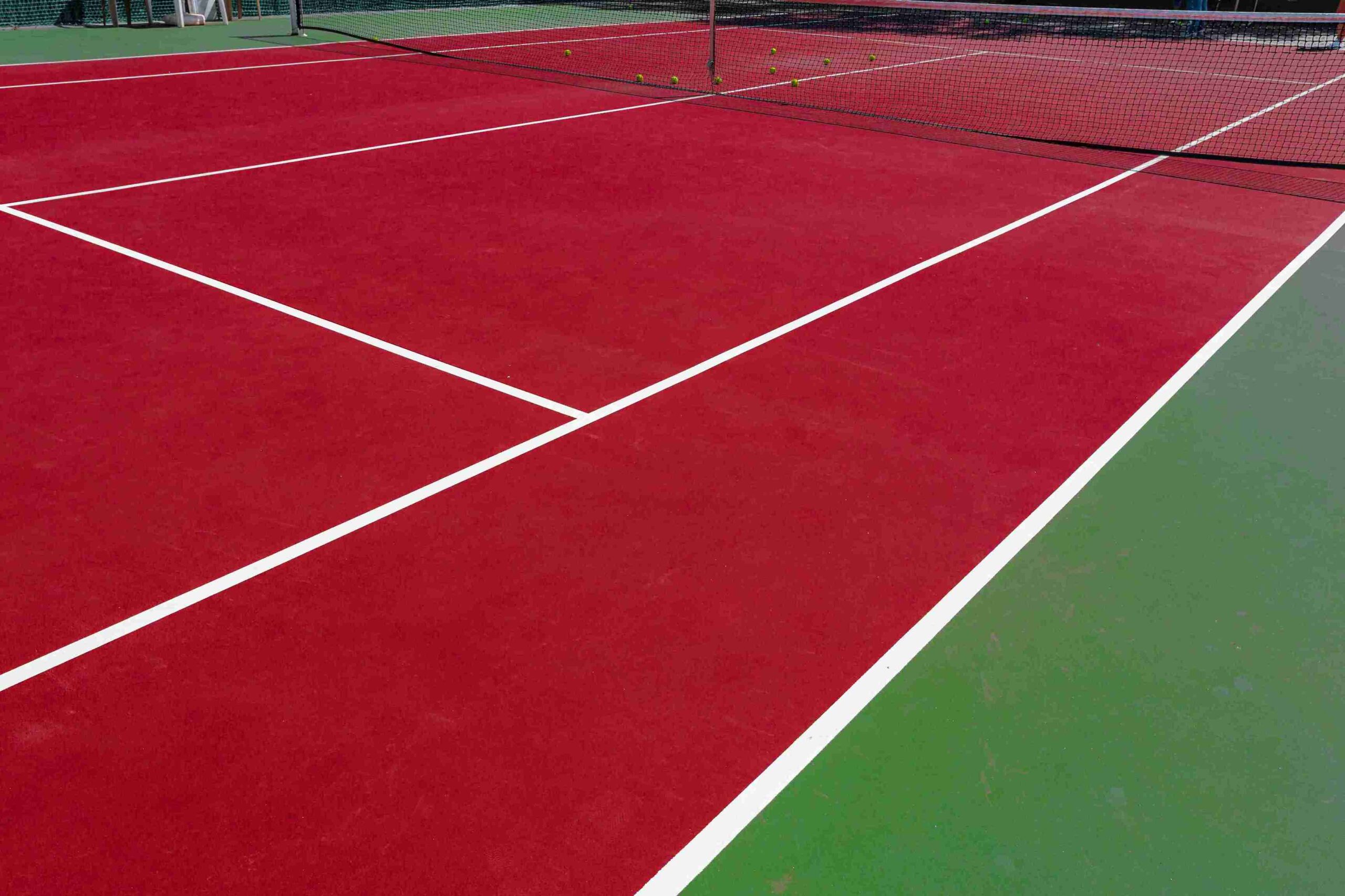
Sports interlock floor decisions should account for long-term facility operation. Review the venue, base condition, exposure, user traffic, maintenance plan, repair approach, installation scope and life-cycle budget before selecting the system.
From basketball gyms to fast growing pickleball courts, the right surface can shape safety, performance, and operating costs for years. In this article, we will walk through how sports interlock floors help facilities earn more, spend less, and stay flexible over time. Along the way, we will connect every benefit back to one thing that matters most. Long term ROI.
The ROI question every facility owner should ask first
Before choosing any flooring system, it helps to step back and ask a simple question. What does ROI really mean for a sports facility? Many buyers focus only on the purchase price. But smart owners look at the full life of the floor.
ROI is about how much value a surface delivers year after year. That includes durability, maintenance costs, safety, and how often the court can stay open. Once you think this way, the conversation naturally leads to sports interlock floors.
Upfront cost versus lifetime cost
Some flooring options look affordable at first. Concrete, vinyl, or basic surfaces often win on price alone. But over time, repairs, resurfacing, and labor costs add up fast. Sports interlock floors are designed to spread costs over many years, making the yearly expense much easier to manage.
Downtime and lost revenue
Every day a court is closed for repairs is a day without games, lessons, or rentals. Flooring that requires frequent fixes quietly eats into profits. This is where sports interlock floors begin to stand out, since they are built to reduce downtime and keep courts active.
So if ROI is about long term value, what kind of floor helps owners avoid constant repairs? That leads us straight to maintenance.
How sports interlock floors lower long term maintenance costs
Maintenance is often the hidden cost that surprises facility owners. Floors that look fine at first may demand more care as time passes. Sports interlock floors take a different approach, using a modular system that makes upkeep simple and predictable.
Instead of treating the whole court as one surface, this system breaks it into smaller pieces that work together. That idea alone changes how repairs are handled.
Easy repairs with tile by tile replacement
When damage happens on traditional floors, large sections often need to be repaired or replaced. That means higher labor costs and longer closures. With sports interlock floors, damaged tiles can be removed and replaced without touching the rest of the court.
This approach saves money and keeps the space usable. Facility managers can fix small problems before they turn into big ones.
Cleaning and upkeep that stays simple
Daily care matters just as much as major repairs. Sports interlock floors are easy to clean and do not require special treatments. Sweeping and basic washing are usually enough to keep the surface looking good and performing well.
Over the years, this simplicity helps lower operating costs and reduces the need for outside service teams.
Less disruption means more open court time
Because repairs and cleaning are faster, courts stay open more often. More open time means more games, more programs, and more revenue opportunities.
But saving money is only part of the story. Performance and safety also play a big role in ROI. That brings us to how sports interlock floors support basketball.
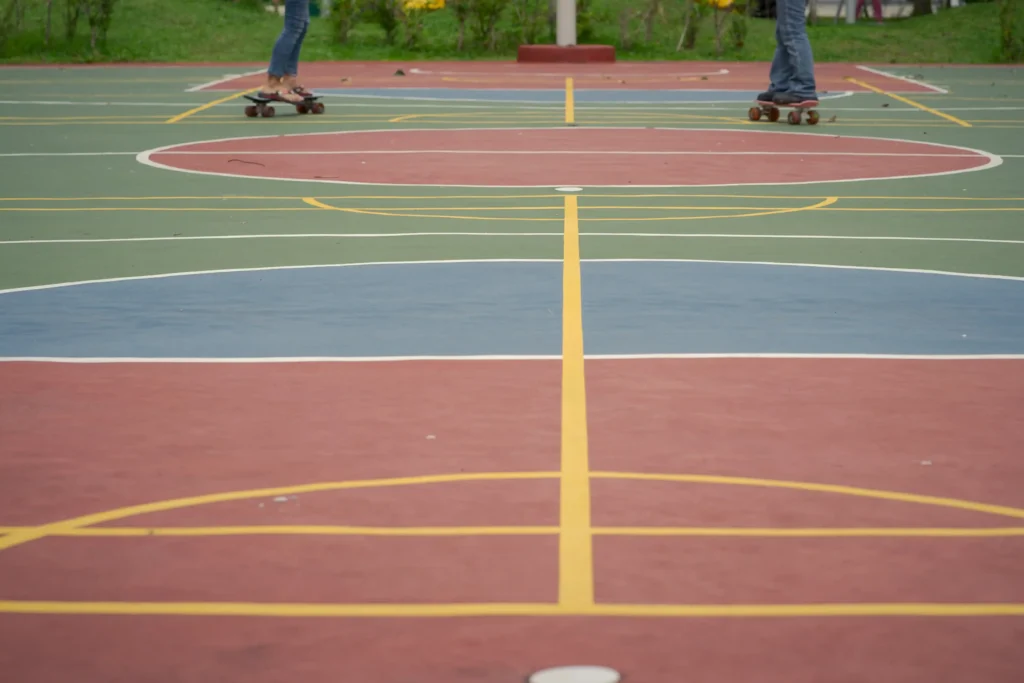
Why sports interlock floors make sense for basketball performance and safety
Basketball is a high impact sport. Players run, jump, stop, and change direction in seconds. The floor beneath them affects every move. Sports interlock floors are designed to support this kind of intense action while protecting both players and facilities.
Consistent ball bounce and better play
A good basketball court must provide reliable ball response. Uneven or worn surfaces can hurt the game experience. Sports interlock floors offer a stable and flat surface that helps deliver consistent bounce across the entire court.
When players trust the floor, games flow better and training becomes more effective.
Grip and movement without risky slips
Traction is another key factor. Too slippery and players lose control. Too rough and movement feels forced. Sports interlock floors balance grip and slide, helping athletes move with confidence during fast plays.
This balance improves safety while also supporting competitive performance.
Shock absorption and joint comfort
Repeated jumping and landing put stress on knees and ankles. Sports interlock floors include shock absorbing properties that help reduce impact forces. Over time, this can lower injury risk and extend playing careers.
Safer players mean fewer interruptions and stronger program reputations. But basketball is not the only sport driving demand today. Pickleball is growing fast, and it brings its own needs.
Why sports interlock floors are a smart match for pickleball growth
Pickleball has become one of the fastest-growing sports in the world. Many facilities are adding courts or converting existing spaces. Sports interlock floors make this process easier and more cost-effective.
Foot comfort for fast lateral movement
Pickleball players rely on quick side-to-side steps and short bursts of speed. A surface that supports foot comfort helps reduce fatigue and strain. Sports interlock floors provide a cushioned feel that supports long play sessions.
Happy players are more likely to return and recommend the facility.
Clear court lines and flexible layouts
Court layout matters in pickleball. Sports interlock floors allow clear line markings and flexible designs. Facilities can create single or multiple courts without permanent changes.
This flexibility helps owners adjust layouts as demand grows.
Indoor and outdoor use for more playtime
Weather can limit court usage, especially outdoors. Many sports interlock floors are built to handle different conditions, making them suitable for both indoor and outdoor spaces.
More playable days mean more bookings and better ROI.
With both basketball and pickleball covered, the next question is durability. How do sports interlock floors compare to traditional options over time?
The durability math sports interlock floors versus traditional flooring
Durability is not just about how long a floor lasts. It is about how well it performs year after year. Sports interlock floors are designed to handle heavy use while keeping maintenance predictable.
Common flooring choices and rising costs
Wood floors can look great but often require sanding and refinishing. Vinyl may suffer from wear and adhesive issues. Concrete lasts long but offers poor comfort and safety.
Sports interlock floors focus on balancing durability with usability, helping owners avoid extreme costs at any stage.
Resistance to weather and daily wear
High quality materials used in sports interlock floors resist cracking, warping, and surface breakdown. This is especially important for facilities exposed to changing temperatures or outdoor conditions.
Stable surfaces help maintain consistent play quality.
Planning for ten to fifteen years with confidence
When owners plan ahead, sports interlock floors offer a clear advantage. With proper care, these systems can deliver reliable performance for many years, lowering the cost per playable year.
Durability supports ROI, but flexibility can increase it even more. That leads to how facilities use their space.
How flexible scheduling boosts revenue with sports interlock floors
A floor that supports only one activity limits earning potential. Sports interlock floors help facilities do more with the same space.
One surface for many programs
Basketball leagues, pickleball lessons, youth camps, and community events can all share the same surface. Sports interlock floors make these transitions smooth.
More programs attract more users and increase overall revenue.
Faster installation and easier upgrades
Installation speed matters, especially during renovations. Sports interlock floors are quick to install and easier to modify later. Facilities can upgrade sections without major construction.
This saves time and reduces disruption.
Seasonal and temporary courts that still perform
Some facilities need seasonal setups or temporary courts for tournaments. Sports interlock floors can be installed and removed as needed while maintaining a professional look and feel.
With all these benefits, one last question remains. Who should you trust to supply the floor?
Why choose VMKON for sports interlock floors
Choosing the right product matters, but choosing the right partner matters just as much. VMKON focuses on long term value, not short term sales.
Manufacturer strengths that protect your budget
As a manufacturer, VMKON controls materials, production, and quality checks. This helps deliver consistent products that meet performance needs while staying cost effective.
Better control leads to better ROI.
Custom colors lines and court needs
Every facility is different. VMKON offers customization options that support branding, layout, and sport specific requirements. This helps facilities create courts that match their goals.
Customization adds value without unnecessary complexity.
Reliable supply and global project experience
From small community courts to large commercial projects, experience matters. VMKON understands logistics, standards, and delivery needs for international clients.
Reliable supply helps projects stay on schedule and on budget.
Conclusion
When you look at the full picture, sports interlock floors offer a clear path to stronger long term ROI. They reduce maintenance costs, support player safety, handle both basketball and pickleball, and keep facilities flexible as demand changes.
Instead of reacting to repairs and limitations, owners can plan ahead with confidence. If you are thinking about upgrading your courts or building new ones, now is a great time to explore what sports interlock floors can do for your facility.
If you would like to learn more or discuss your project goals, reach out to the VMKON team. We are always happy to talk through ideas and help you find a flooring solution that supports your future success.
FAQs
1. What are sports interlock floors?
Sports interlock floors are modular flooring systems made of connected tiles. They lock together to form a strong and stable sports surface.
2. Are sports interlock floors good for basketball and pickleball?
Yes. They provide steady ball bounce, good grip, and joint comfort, making them suitable for both basketball and pickleball courts.
3. How long do sports interlock floors last?
With proper care, sports interlock floors can last many years, often more than traditional sports surfaces.
4. Are they easy to maintain?
Maintenance is simple. Regular cleaning is enough, and damaged tiles can be replaced one by one.
5. Can sports interlock floors be used outdoors?
Many sports interlock floors are designed for both indoor and outdoor use and can handle different weather conditions.
6. Do they help improve facility ROI?
Yes. Lower maintenance, long lifespan, and flexible use all help increase long term facility value.
Plan Your Sports Flooring Project with VMKON
Planning a new court, renovation or portable venue? Send VMKON the project country, sport, court dimensions, site or subfloor photos, expected usage, certification needs and target schedule. We will recommend a suitable system and prepare a project-based quotation.