
When you step onto a court, whether it’s for basketball or pickleball, one thing sets the tone for the entire game: the floor beneath your feet. Good sports flooring not only helps athletes play better, but it also protects them from injuries and makes the game more enjoyable. Whether you’re building a new court or upgrading an old one, knowing what to look for in 2026 can save you time, money, and a lot of headaches.
This guide will walk you through everything you need to know before buying sports flooring–from types and features to pricing and finding the right supplier. So, if you’re looking to create a safe, high-performing space, you’re in the right place.
What Is Sports Flooring and Why Does It Matter?
Sports flooring is the surface that athletes play on. While it might look simple, it plays a huge role in how the game feels and flows. The right flooring offers the perfect balance of grip, shock absorption, and bounce. It also keeps players safe by reducing stress on joints and preventing slips and falls.
Imagine trying to play basketball on concrete or pickleball on a slippery gym floor. Not only is it unsafe, but it can ruin the experience. That’s why choosing the right sports flooring is one of the most important decisions for schools, gyms, sports facilities, and recreational centers.
Now that you understand how important the right surface is, let’s look at what kinds of sports flooring you can choose from in 2026.

Types of Sports Flooring You Can Choose From in 2026
In 2026, you’ll find a wide variety of sports flooring options on the market. Each type has its own pros and cons depending on your sport, location, and budget.
Let’s take a closer look at the most popular options.
Modular Tiles
Modular sports tiles are a top choice for both indoor and outdoor courts. They’re made of strong plastic materials like polypropylene and are designed to snap together easily. These tiles often include a shock-absorbing layer to reduce the impact on joints.
They’re great for outdoor basketball and pickleball courts because they resist UV rays, handle weather well, and are easy to clean. Plus, you can install them quickly without needing glue or nails.
Hardwood Flooring
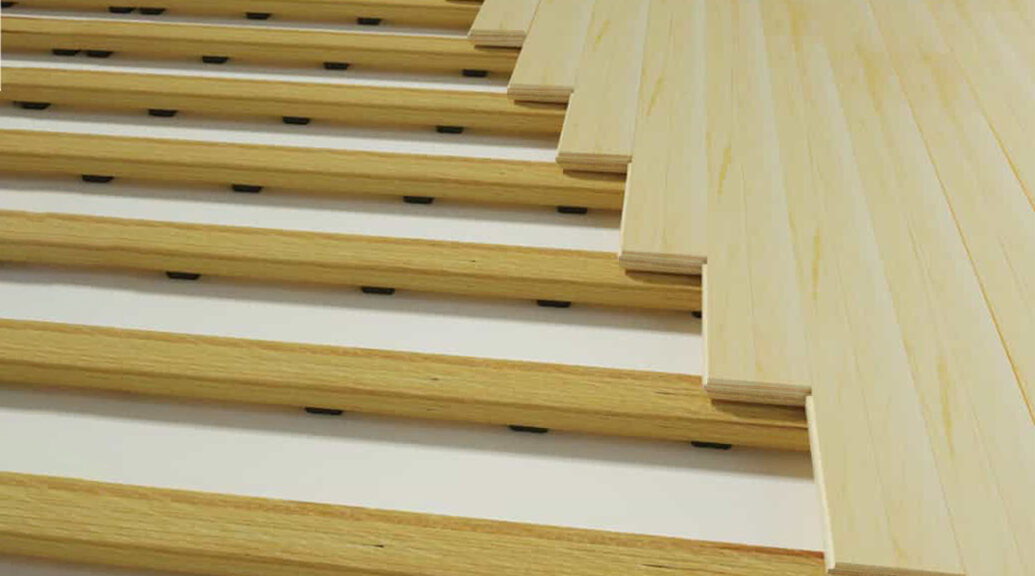
Hardwood is the traditional choice for indoor basketball courts, especially in professional or school gym settings. It offers a great bounce and a smooth surface that athletes love. However, hardwood is expensive and needs regular maintenance. It’s also not suitable for outdoor courts, as the weather can damage it.
PU and Synthetic Surfaces
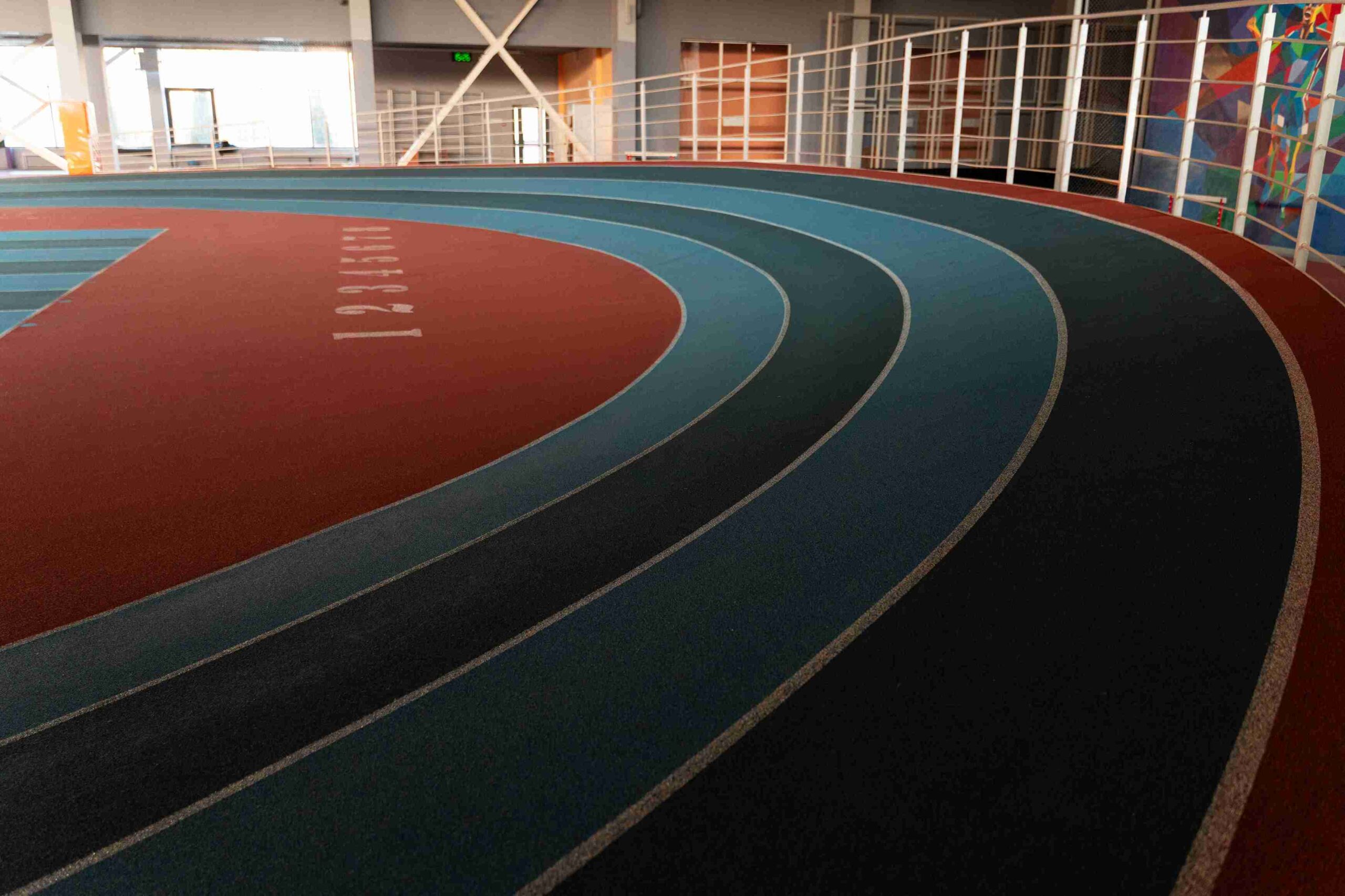
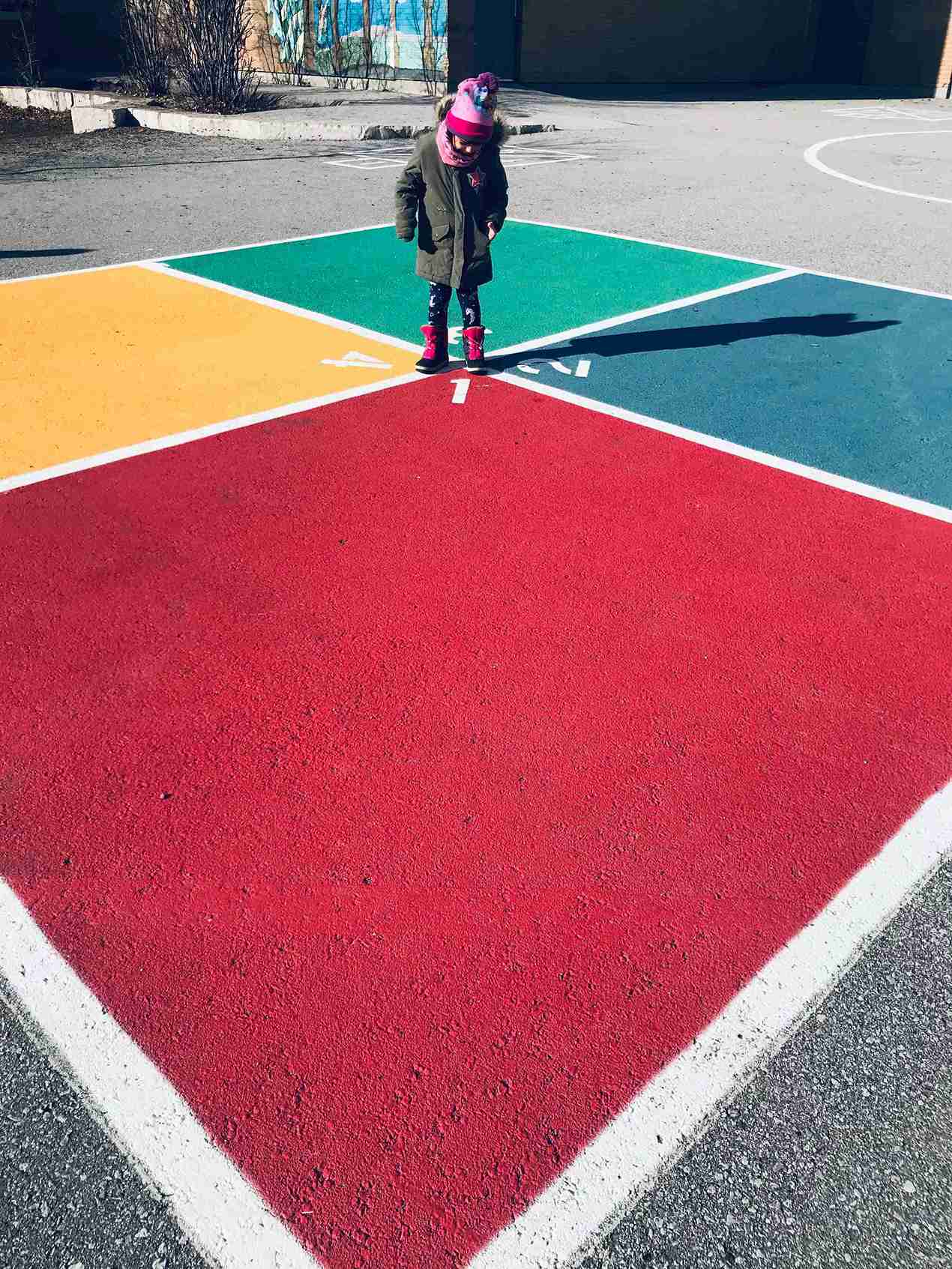
PU (polyurethane) and other synthetic floors are becoming more popular in schools and community centers. These floors are poured or rolled onto a surface and offer a cushioned feel. They’re great for reducing injuries and can be customized with different colors and court markings.
They may not offer the same bounce as hardwood, but they’re easier to maintain and more affordable in the long run.
Acrylic Over Concrete
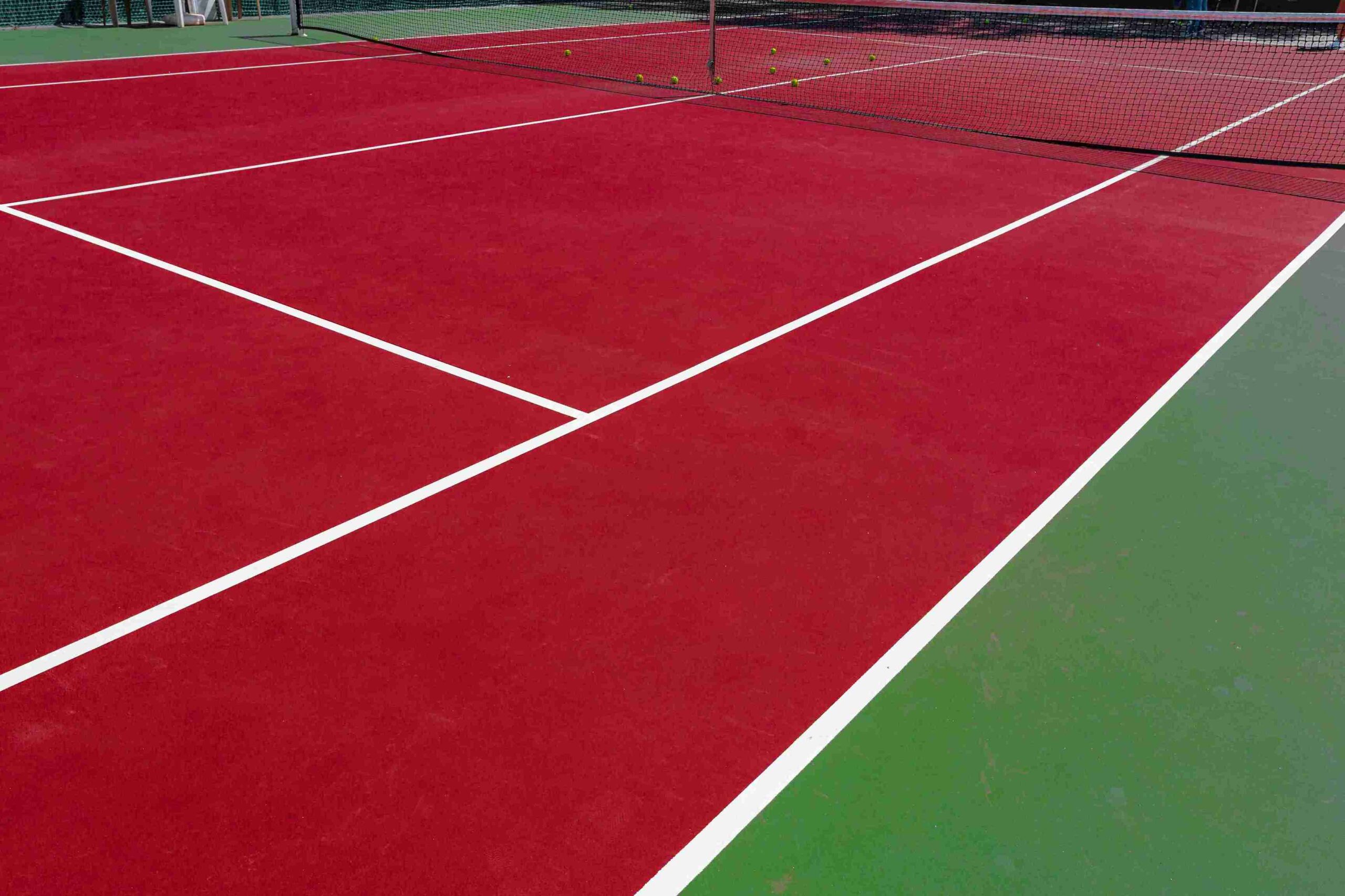
If you’re building an outdoor pickleball court and want something affordable, acrylic coatings over concrete are a common solution. This type of sports flooring offers color customization and decent grip, but it doesn’t have much cushioning. For low-impact sports like pickleball, though, it can work well.
So, which one should you go for? Let’s look at how to choose the best option based on your sport.
Choosing the Right Sports Flooring for Basketball and Pickleball
Not all sports require the same kind of floor. What works well for a basketball game may not suit a pickleball match. Here’s how to make the right choice based on your specific needs.
Best Flooring for Basketball Courts
For indoor basketball, hardwood is still the gold standard. It offers the perfect ball bounce and smooth glide players expect. But if you’re working with a tighter budget or building outdoors, modular tiles designed for basketball are a solid alternative. These offer enough bounce, better safety, and are built to last through changing weather.
Best Flooring for Pickleball Courts
Pickleball courts can be built indoors or outdoors. For indoor use, cushioned PU flooring or modular tiles are both good options. They provide enough grip and reduce the risk of falls.
For outdoor pickleball courts, many builders use acrylic-coated concrete. It’s affordable and gives the court a clean, professional look. If you want extra comfort, modular tiles designed for outdoor use are also a smart pick.
What If You Need a Multi-Sport Court?
If your space needs to serve both basketball and pickleball players, go with modular sports flooring. It offers flexibility, great performance, and easy maintenance. You can even paint game lines for both sports on the same surface.
Before you decide, let’s talk about what features to look for when comparing different types of sports flooring.
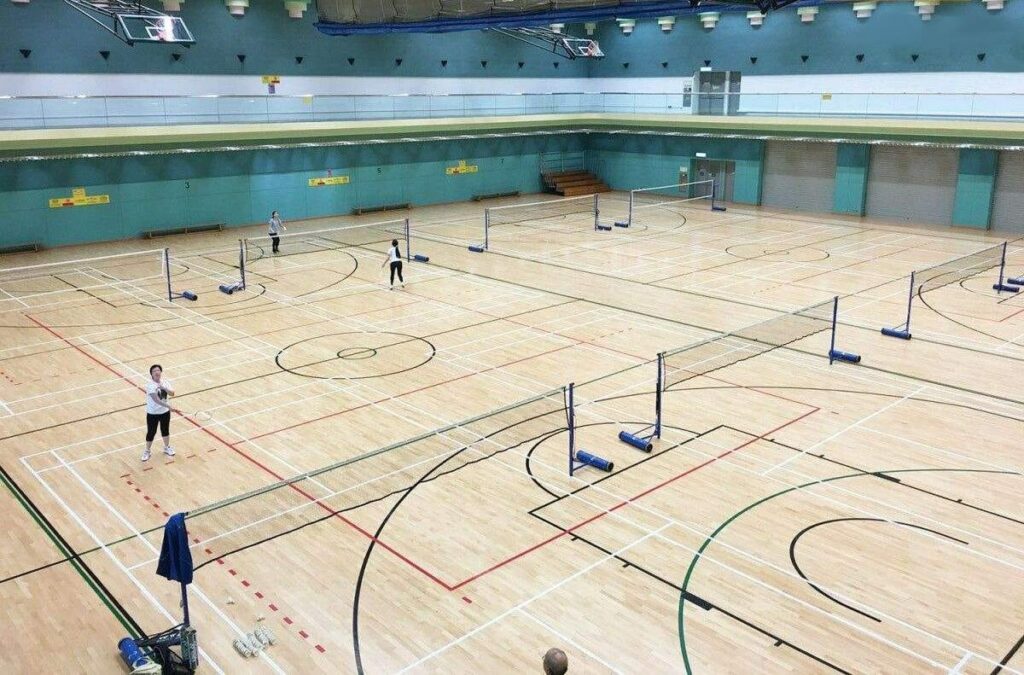
Key Things to Look for When Buying Sports Flooring
Buying sports flooring isn’t just about looks or cost. The best floors are the ones that keep players safe and hold up over time. Here are the most important things to keep in mind.
Safety and Shock Absorption
Safety should always come first. Good sports flooring absorbs impact and reduces stress on knees, ankles, and backs. Look for systems that meet safety standards like EN14904 or ASTM.
Bounce, Grip, and Game Performance
A good floor needs to offer just the right amount of grip. Too slippery and it’s dangerous. Too sticky and it slows players down. For basketball, ball bounce is also key. Check if the floor provides at least 90 percent rebound.
Durability and Maintenance
The longer your floor lasts, the more value you get. Modular tiles and PU flooring are both known for being low-maintenance. Hardwood looks great but requires regular care to stay in top shape.
Weather Resistance (For Outdoor Courts)
If your court is outdoors, you need sports flooring that can handle sun, rain, and temperature changes. Modular tiles built for outdoor use are often UV-resistant and drain quickly after rain.
By now, you’re probably wondering what all this is going to cost. Let’s break it down.
How Much Does Sports Flooring Cost in 2026?
The price of sports flooring in 2026 depends on the type you choose, how big your court is, and where you’re located. Here’s a simple guide to help you plan your budget.
Cost by Flooring Type
Modular tiles: Around $20 to $35 per square meter
PU flooring: Between $40 and $60 per square meter
Hardwood systems: Can go up to $150 per square meter
Acrylic coatings: Around $8 to $15 per square meter
Installation and Maintenance Costs
Installation costs vary depending on the material. Modular tiles are easy to install and may not need professional help. Hardwood and PU flooring require more labor and time. Don’t forget to budget for maintenance–especially if you choose hardwood or PU systems.
Once you’ve considered the cost, the next step is choosing the right supplier. Here’s why VMKON might be the perfect fit.
Why Choose VMKON for Your Sports Flooring Needs?
Not all sports flooring suppliers are the same. When it comes to quality, experience, and value, VMKON stands out.
Quality Materials and Design
VMKON uses strong, reliable materials that are built to last. Their sports flooring solutions are tested to meet international safety and performance standards. Whether you need tiles or PU systems, VMKON delivers products that combine comfort and durability.
Competitive Pricing
As a direct manufacturer based in China, VMKON keeps costs low without cutting corners. You get high-quality flooring at prices that won’t break your budget. Plus, they offer custom designs, color choices, and quick delivery worldwide.
Global Support and Fast Delivery
VMKON has experience working with clients across North America, Asia, and the Middle East. They understand different project needs and timelines. Their team is fast, responsive, and ready to help you find the perfect sports flooring solution.
Conclusion
Now that you know what types of sports flooring are available, what features matter, and how much it all costs, you’re in a great position to make the right choice. Whether you’re building a school gym, a local community center, or an outdoor pickleball court, investing in quality sports flooring is a decision that pays off for years.
VMKON is here to help you every step of the way. From product advice to pricing and installation support, we’ve got you covered.
Have questions or ready for a quote? Reach out to us today and let’s talk about your court. You’ll get friendly advice, fast answers, and a flooring solution made just for you.
Frequently Asked Questions (FAQs)
1. What is the best sports flooring for outdoor basketball courts?
Modular tiles with UV resistance and drainage features are ideal for outdoor basketball courts due to their durability and safety.
2. Can one type of flooring work for both basketball and pickleball?
Yes, modular sports tiles are a great option for multi-sport courts, offering good performance for both games.
3. How long does sports flooring last?
With proper care, modular tiles and PU floors can last 10–15 years. Hardwood floors may need refinishing sooner.