Choosing a China hardwood flooring manufacturer is a major decision for any sports facility project. A low quotation may look attractive, but what happens if the supplier cannot meet your delivery deadline, maintain consistent quality, or provide the technical performance your court requires?
For overseas buyers, the real challenge is knowing what happens behind the factory doors. You need evidence of production capacity, quality control, technical knowledge, and successful project delivery before signing a contract.
This nine-point factory audit checklist will help you evaluate suppliers, reduce purchasing risks, and make a better decision. It will also explain how VMKON’s sports flooring solutions fit into the needs of international buyers.
Why Choosing the Right China Hardwood Flooring Manufacturer Matters
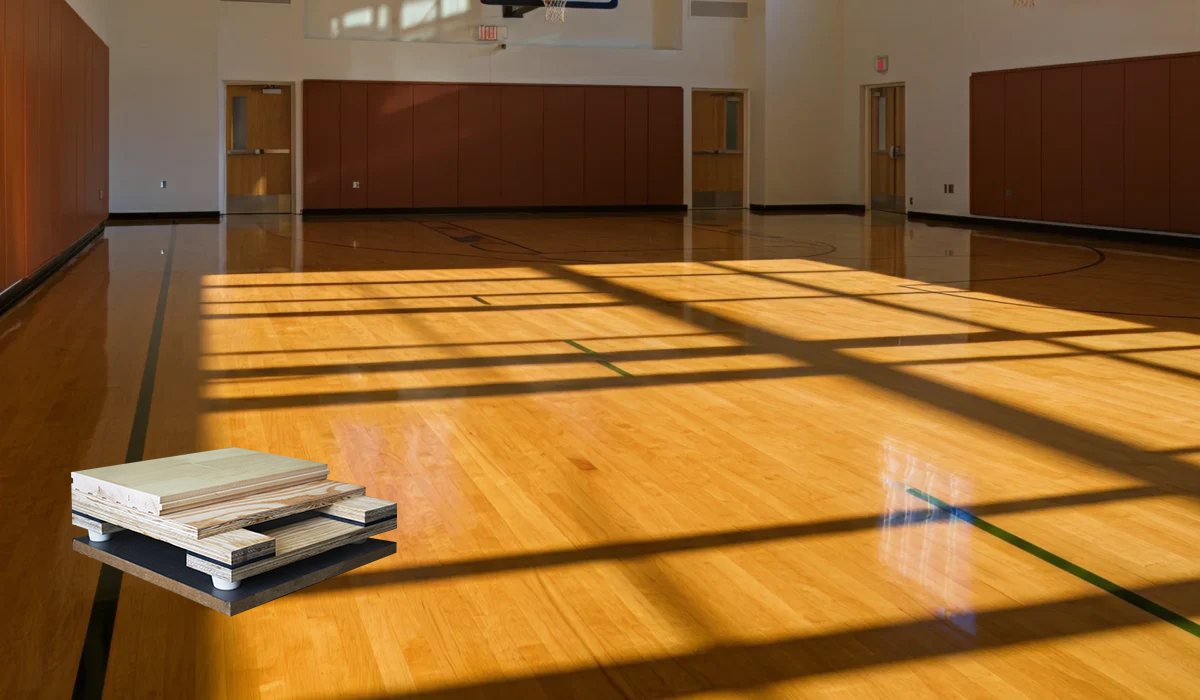
A sports floor is more than a wooden surface. Its performance depends on the complete system, including the timber, supporting structure, surface finish, and installation quality.
Choosing a supplier based only on price can lead to uneven surfaces, delayed shipments, unexpected costs, or performance problems after installation. A slightly cheaper product may become much more expensive if it requires repairs or fails to meet project requirements.
So, how can you separate a reliable manufacturer from a supplier that simply offers an attractive quotation? Start by checking these nine points.
China Hardwood Flooring Manufacturer Audit Points
Before reviewing certificates or project photos, look at how the factory operates. These first three checks help you understand whether the supplier can produce the flooring you need and maintain consistent standards.
1. Verify Actual Production Capacity
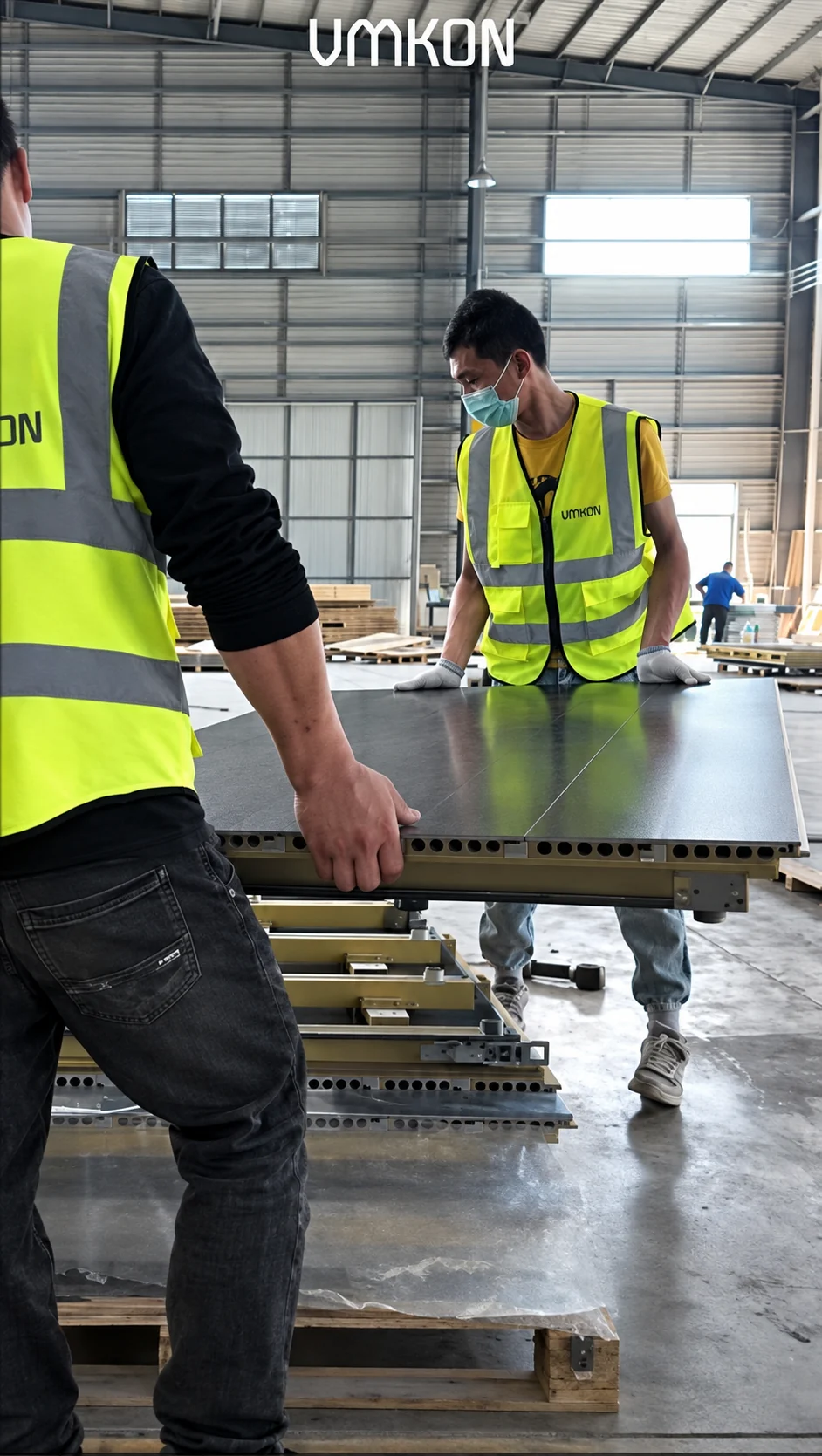
Ask the manufacturer about its production equipment, workforce, manufacturing process, current order commitments, and typical lead times.
Do not accept a large production-capacity figure without supporting evidence. Request production records, inspect available equipment, and confirm whether the factory can handle your order size within the agreed schedule.
For large sports halls, also ask how the supplier manages several orders at once. A factory may produce excellent samples but struggle when deadlines become tight.
What to verify: Production records, equipment, staffing, realistic lead times, and capacity for your specific order.
2. Check Raw Materials and Moisture Control
Hardwood flooring quality starts with the raw materials. Changes in moisture levels can cause timber to shrink, expand, or develop gaps after installation.
Ask how the manufacturer selects timber, controls moisture content, stores materials, and checks incoming batches. Request documented inspection results and ask how the factory manages material defects.
The correct moisture limits depend on the flooring system, site conditions, and installation requirements. Avoid accepting a single moisture figure without understanding the project’s needs.
What to verify: Material specifications, moisture records, storage conditions, and incoming inspection procedures.
3. Inspect Manufacturing Processes and Equipment
A professional factory should follow clear production steps, from material preparation to machining, assembly, finishing, and final inspection.
Ask to see how components are measured and checked during production. For sports flooring, accurate dimensions and consistent component quality are important for proper installation and long-term performance.
You should also confirm whether the proposed flooring system is manufactured according to the specifications in your quotation.
What to verify: Production workflow, dimensional checks, equipment condition, and consistency between samples and finished products.
Now that you understand how to assess the factory itself, the next step is to examine the technical evidence behind its quality claims.
A polished showroom does not prove that a flooring system will perform well on a basketball court or another sports surface. Buyers need measurable quality checks and technical documents that match their intended application.
4. Examine Quality Control Procedures
Ask whether the manufacturer checks products at different stages rather than inspecting them only when production is complete.
A reliable quality-control process should cover incoming materials, component dimensions, surface finishing, assembly, and final product condition. The supplier should also explain how defects are recorded and corrected.
Request sample inspection reports and confirm that the same procedures apply to your order.
What to verify: Inspection records, defect-handling procedures, batch traceability, and final quality checks.
5. Evaluate R&D and Sports Flooring System Design
The best flooring choice depends on the sport, venue, expected use, and technical requirements. A supplier should be able to explain why its proposed system suits your project.
Ask about the supporting structure, resilience, shock absorption, vertical deformation, ball rebound, and surface friction where these properties apply. Request relevant test reports instead of relying on general performance claims.
For example, VMKON offers maple and birch hardwood systems, single- and double-keel structures, multilayer hardwood flooring, and Macwood systems. Buyers can compare these options against their facility’s requirements.
What to verify: Technical drawings, system specifications, relevant test data, and a clear explanation of product suitability.
6. Verify Certifications, Test Reports, and Compliance
Different projects may require different standards. A school gymnasium, professional basketball arena, and community sports hall may not have identical technical or regulatory requirements.
Ask for copies of relevant certificates and test reports. Check the issuing organization, report date, tested product, and scope of the results. Make sure the documents apply to the exact flooring system being offered.
If your project specifies particular sports performance standards, confirm compliance before production begins.
What to verify: Valid documentation, product-specific test reports, applicable standards, and project compliance requirements.
Technical checks are essential, but there is another question to consider: can the manufacturer deliver a complete project successfully, not just a good product?
A supplier’s past work, delivery planning, and acceptance procedures can reveal risks that product samples cannot. These final checkpoints help you assess what happens after you place the order.
7. Verify Project References and Track Records
Request examples of completed projects that match your facility in size, application, or technical requirements.
Project photographs can help, but they are not enough on their own. Ask for project locations, completion dates, flooring specifications, and references you can contact where available.
Also clarify the manufacturer’s role. Did it manufacture the flooring, provide technical support, coordinate installation, or manage the full project?
These details help you judge whether the supplier has relevant experience rather than simply a large collection of photographs.
What to verify: Comparable installations, customer references, project scope, and documented delivery experience.
8. Assess Delivery, Packaging, and Installation Support
Even high-quality flooring can arrive damaged or cause delays if packaging and shipping are poorly managed.
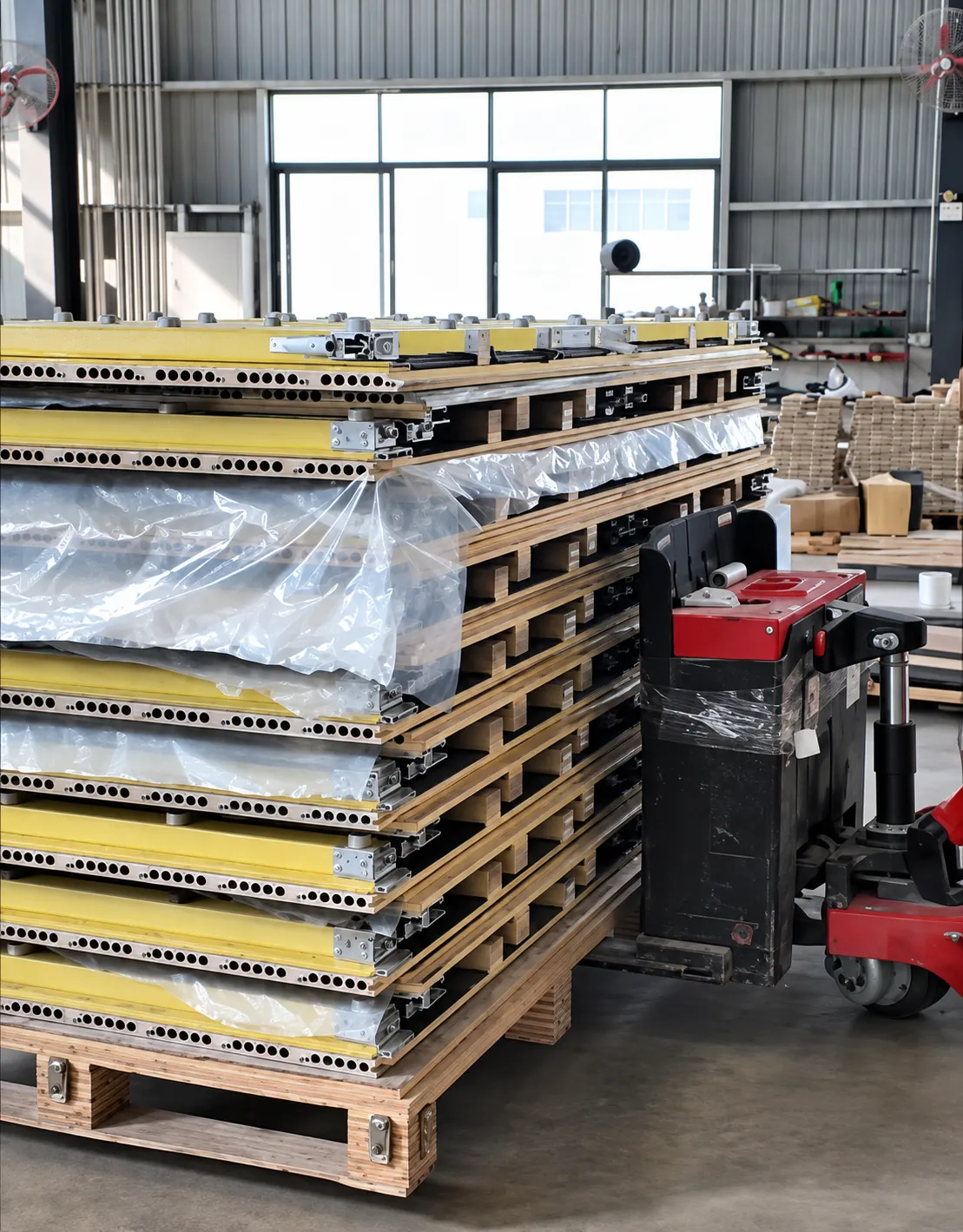
Ask how the products are packed, labelled, protected against moisture, and prepared for international transport. Confirm production milestones, shipment dates, required documents, and responsibilities for installation.
If local installation is handled by your contractor, establish what drawings, instructions, and technical support the manufacturer will provide.
What to verify: Packaging plans, delivery schedules, shipping documents, installation guidance, and after-sales support.
9. Agree on Inspection and Final Acceptance Criteria
Do not wait until the flooring reaches your site to decide what acceptable quality means.
Before signing the contract, agree on product specifications, approved samples, inspection methods, permitted tolerances, packaging requirements, and procedures for handling defects.
For larger orders, consider pre-shipment inspection and documented approval before dispatch. At the project site, check the delivered products against the contract and inspect the completed floor according to the agreed criteria.
What to verify: Written acceptance standards, inspection milestones, defect-resolution terms, and warranty conditions.
With these nine checks complete, you can compare suppliers based on evidence instead of letting the lowest price decide everything.
Why Choose VMKON as Your China Hardwood Flooring Manufacturer?
When searching for the best hardwood sports flooring manufacturer China can offer for your project, focus on product suitability, technical support, and service rather than unverified rankings.
VMKON Sports is headquartered in Guangzhou, China, with stated international operations in Feldatal, Germany, and Los Angeles, USA. The company supports sports flooring projects through consulting, design, installation, maintenance, and after-sales services.
Its product range includes maple and birch hardwood flooring, single- and double-keel structures, multilayer hardwood systems, and Macwood solutions. This range gives buyers several system options to evaluate against their venue requirements.
VMKON also describes its R&D approach around materials, design, technology, functionality, and user experience. For buyers, the important next step is to request the technical specifications, relevant test reports, and project references that support the proposed system.
The goal is not to choose a manufacturer because it makes the biggest claims. It is to find a partner whose products and documented capabilities match your project.
If you are comparing the best hardwood sports flooring manufacturer China has to offer, use the same audit criteria for every supplier, including VMKON. This creates a fairer comparison and helps you identify the strongest fit for your budget and technical needs.
Choose a China Hardwood Flooring Manufacturer Based on Evidence, Not Price
Selecting a reliable China hardwood flooring manufacturer takes more than comparing quotations. You need to verify production capacity, inspect quality-control procedures, review technical documents, confirm project references, and agree on acceptance standards before placing an order.
A structured factory audit helps you identify problems early and reduces the risk of costly surprises during installation or after handover.
Planning a sports flooring project? Contact VMKON through vmkonsport.com to discuss your facility, explore suitable hardwood flooring systems, and request the technical information needed to evaluate your options. A clear conversation at the beginning can help you make a more confident purchasing decision.
FAQs
1. How do I verify a China hardwood flooring manufacturer?
Inspect production capacity, quality-control records, technical reports, factory processes, and completed project references.
2. What should a factory audit include?
Check raw materials, manufacturing equipment, quality checks, certifications, delivery planning, and final acceptance procedures.
3. Why choose VMKON for sports flooring?
VMKON offers multiple hardwood flooring systems, R&D-focused product development, and international project support.
4. How can buyers avoid low-quality suppliers?
Compare documented performance, project experience, warranties, and total project costs rather than price alone.